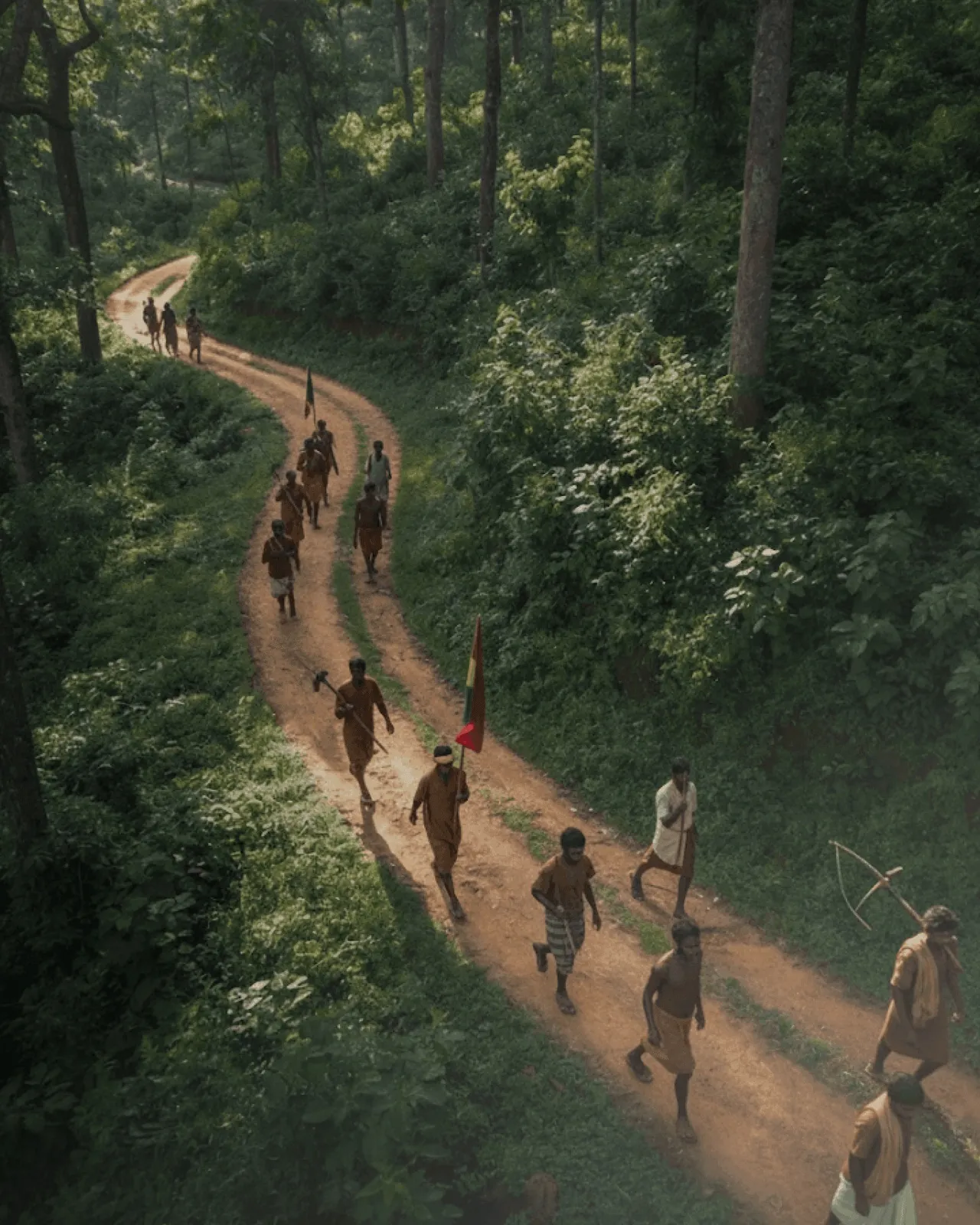
Bishnu Sendra Parv is a hunting festival of the tribes of the Chotanagpur Plateau. The communities who take part are the Santhal, Bhumij, Munda, Ho, Birhor and Kharia. On a set date, the men and women of these communities enter the Dalma Wildlife Sanctuary in Jharkhand. The sanctuary covers 192 km. The date falls in the hot Indian month of May, and the king of these communities fixes it. He is called the Dalma king and carries the surname Hembrom. He rules as an executive monarch within the community.
The Tribes of Chotanagpur Plateau
Before we get to the hunting rituals, let us look at the Dalma Sanctuary itself.
Dalma Wildlife Sanctuary
Geography, Flora, and the Asiatic Elephants
Dalma sits about 30 km from the steel city of Jamshedpur. It takes its name from the local goddess Dalma Mai. The people of the villages around the sanctuary worship her.
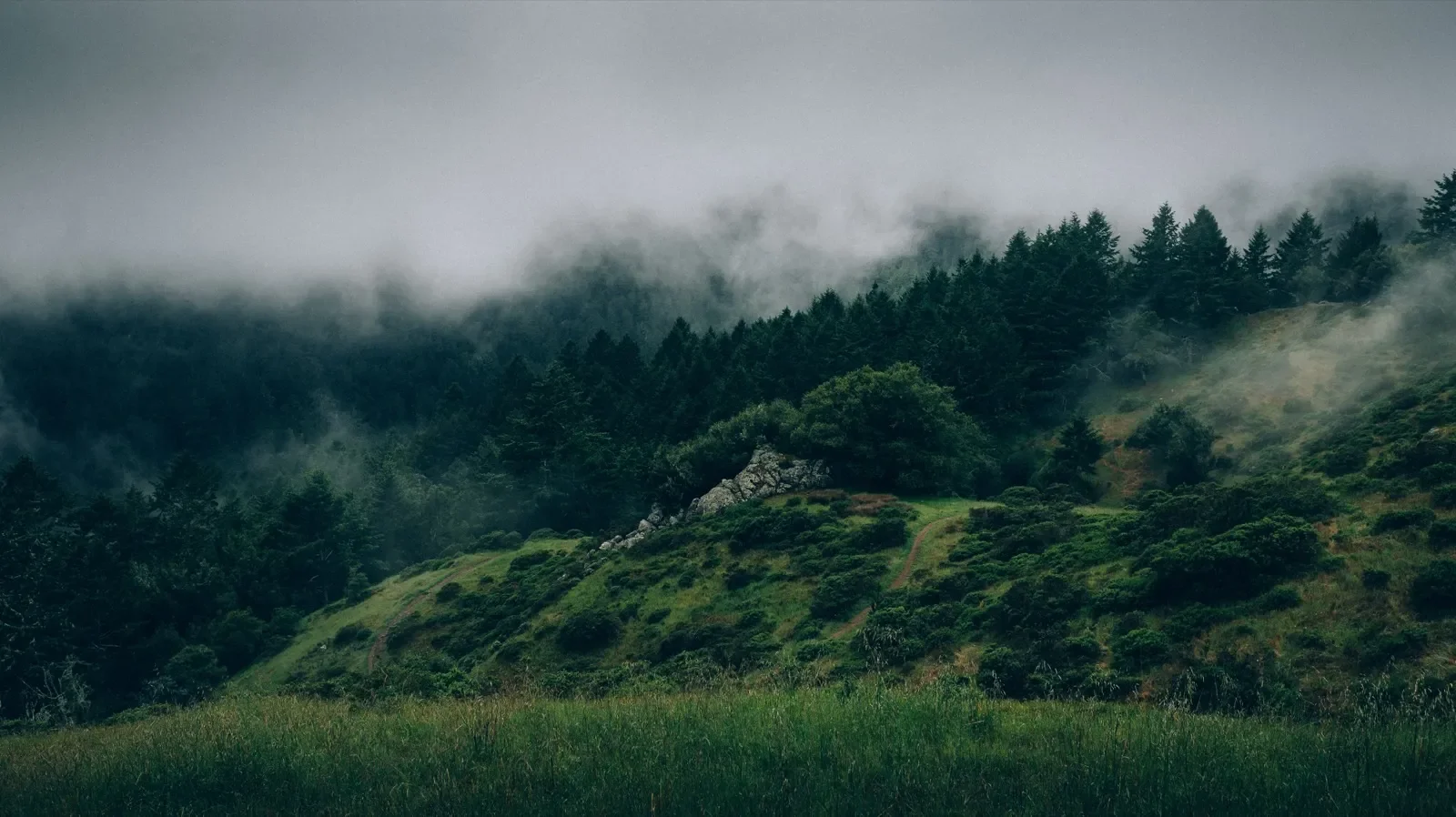
Dalma is a popular spot for ecotourism. The river Swarnarekha runs the length of the sanctuary and feeds several scenic waterfalls. The forests are mainly of two kinds: dry peninsular sal, and northern dry mixed deciduous forest. There is a rich mix of climbers, herbs, shrubs and orchids. Medicinal plants grow here too, such as Anantmula, Shatavari and Sarpgandha. The sanctuary is home to Asiatic elephants. Most tourists come to watch the herds from close by. Beyond its unofficial tag as an elephant sanctuary, Dalma has many other wild animals. You can spot barking deer, sloth bear, porcupines, mouse deer, Indian giant squirrels, pangolins, mongooses, wild boar and wild buffalo.
Avian Treasures and Migratory Flyways
Local birds you can spot here include falcons, grey hornbills, paradise flycatchers, magpie robins, egrets, mynas, Indian treepie, Indian peafowl, several kinds of kingfishers, herons, racket-tailed drongo and golden oriole. In November, migratory birds arrive from Siberia and other cold countries. They settle on the water bodies around the Dalma hills. They start heading back from mid-February. Among them are the Ferruginous duck, Eurasian Wagon, Red Crested Pochard, Common Pochard, Taiga Flycatcher and Black Bittern.
Foot Trails and Ecotourism Guidance
There is no safari at Dalma, but the foot trails more than make up for it. The forest department has marked the trails carefully so visitors can enjoy the natural beauty. A forest guide usually walks with wildlife lovers and helps them understand and enjoy what they see.
The Rituals of Sendra Parv
Invitations and the Sacred Bonfire
Nobody knows how old this tradition is. It has passed down from one generation to the next. These communities worship many gods. Tribes come not just from Jharkhand but from the neighbouring states of Odisha, Bihar and West Bengal. The whole occasion is led by one person, the Dalma King.
You can tell how much this festival matters from one fact. People outside the community are invited too. Whether they join or skip it is left to their own judgement.
It all starts with a meeting. It may be held at the King’s home, a village primary school ground, or the courtyard of a village temple. Everyone expected at Sendra is handed a fallen palm leaf, called gira sakam. This is the traditional tribal invitation, and it is still used today. More than 10,000 people take part in the hunting festival.
Sacred Bonfires and Traditional Weaponry
On the first day they clean their temple. The next day they hold a prayer ceremony there. It begins with everyone gathering around a bonfire to pray to their god Bonga Buru. They sing and dance to their traditional songs. The day after, the men and women climb the Dalma hills to hunt in the sanctuary. The hunters do not use modern gear like nets, guns or nooses.
Instead, the villagers carry the old traditional weapons: bows and arrows, farsa [battle axes], axes, bejar [dagger] and lathi-danda [sticks]. They enter the forest beating their drums and chanting holy hymns. With these weapons they hunt everything from birds to wild buffalo. Once the hunt is over, everyone gathers again in a clearing. There they settle any dispute that has come up in the tribal society of the region over the year. The decisions are announced before their local god Dehri Baba.
Ecological Awareness and Symbolic Hunting
Hunting is now illegal in almost every country, because of the risk of extinction for endangered species and even common ones. So the gathering of these many communities is shrinking year by year. Every year the forest department runs awareness programmes in the local markets and villages. They show people the danger of upsetting the ecological balance.
During the festival, the likely entry points are watched closely. Patrol teams keep touring the sanctuary to stop people from entering the forest. Even so, the people know every nook and cranny of the area. Some still sneak through the rough terrain to carry on the ritual. But over time, those who understand why the forest habitat needs protecting have moved to a symbolic hunt. They do the worship, and stop there. Actual hunting of animals is falling fast.