Mirik College
Context & The Vision
The MissionWhat happens when you take geography out of the textbook and drop it in the middle of the Darjeeling hills? Together with the Department of Geography at Mirik College, we designed a 60-hour intensive programme. It blended classroom learning, hands-on workshops, and fieldwork into one big cauldron.
Instead of only hearing about livelihoods, communities, and how people relate to nature, students needed to experience them first-hand. The aim was simple: learning should not stop at notes and exams. It should move, ask questions, and sometimes feel uncomfortable in a good way. Geography is not abstract. It lives in people's homes, work, and everyday decisions.
How the Programme Was Built
The programme had three parts. Each built on the last and moved students from theory to practice. More than academic activity, practical training, and on-ground discovery, it was built around curiosity and experience.
The 60-Hour Framework
Classroom-Based Component (20 Hours)
The project began in the classroom. Students were introduced to key ideas around livelihoods, settlement patterns, regional development, and how people relate to their environment. These sessions helped them place tea gardens in a wider geographic and social context, so they could approach the field with curiosity and care.
Interactive Workshop Component (20 Hours)
Workshops led jointly by faculty members and the Studio 1947 team shifted the focus from learning about research to learning how to do it. Students were trained in ethical field engagement, basic data collection, and writing an overall report. We talked not only about what questions to ask, but how to ask them, and why listening matters as much as writing down the answers.
Fieldwork Component (20 Hours)
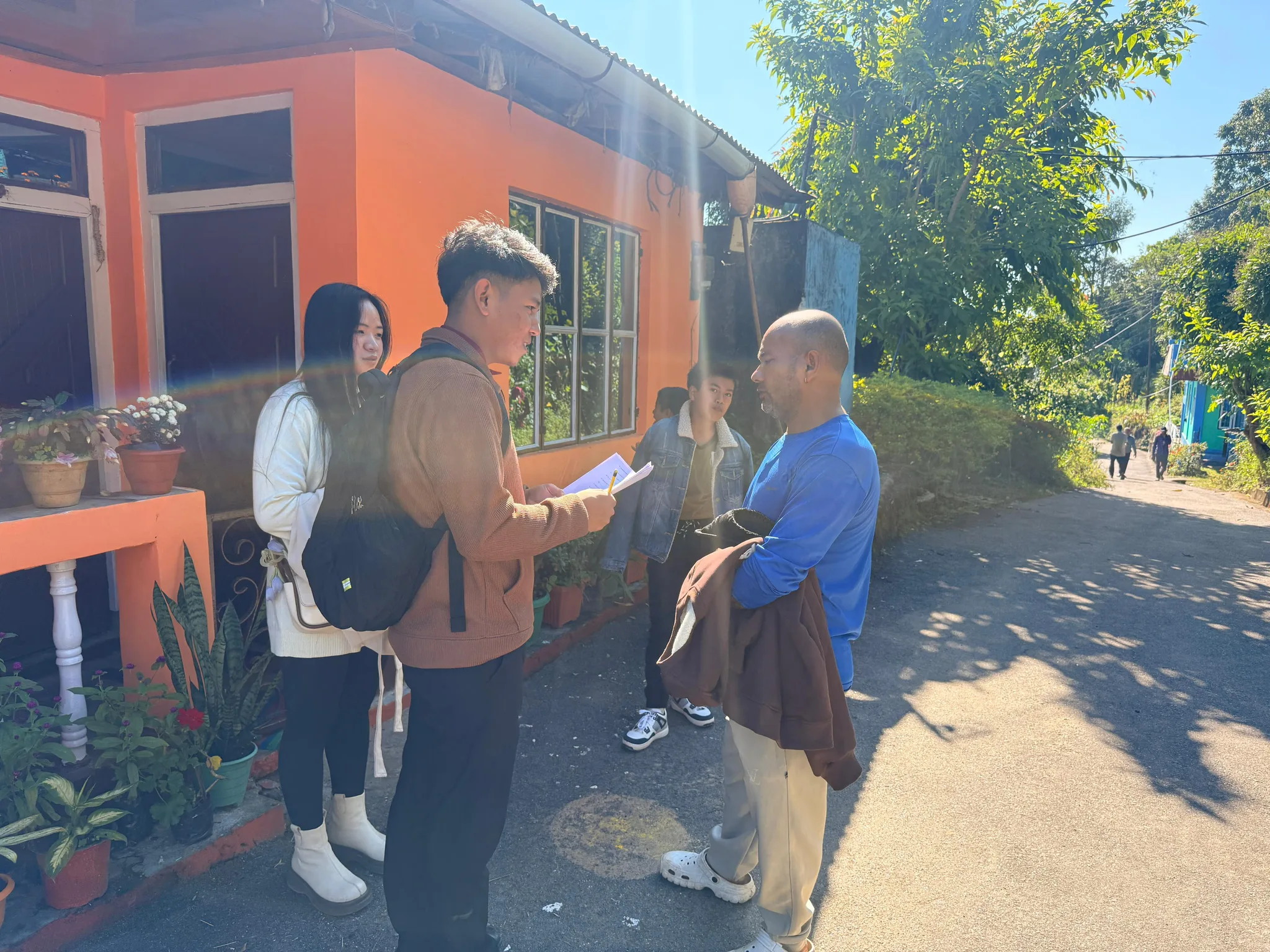
Fieldwork was the heart of the project. This is where classroom concepts met lived experience, and where students began to see geography as something shaped by people's daily lives.
Field Sites & Method
The survey took place in Mandir Goan (Soureni) and Phuguri, two villages a short distance from Mirik. We chose these sites to understand everyday life in tea plantation areas and to let students observe working and living conditions up close.
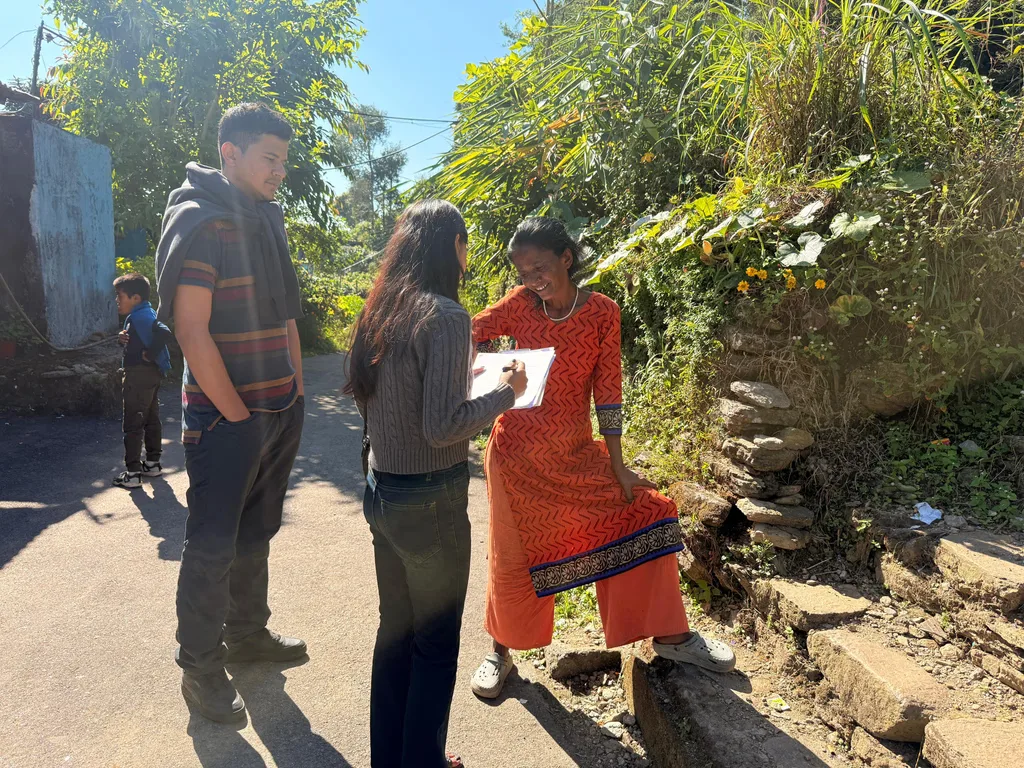
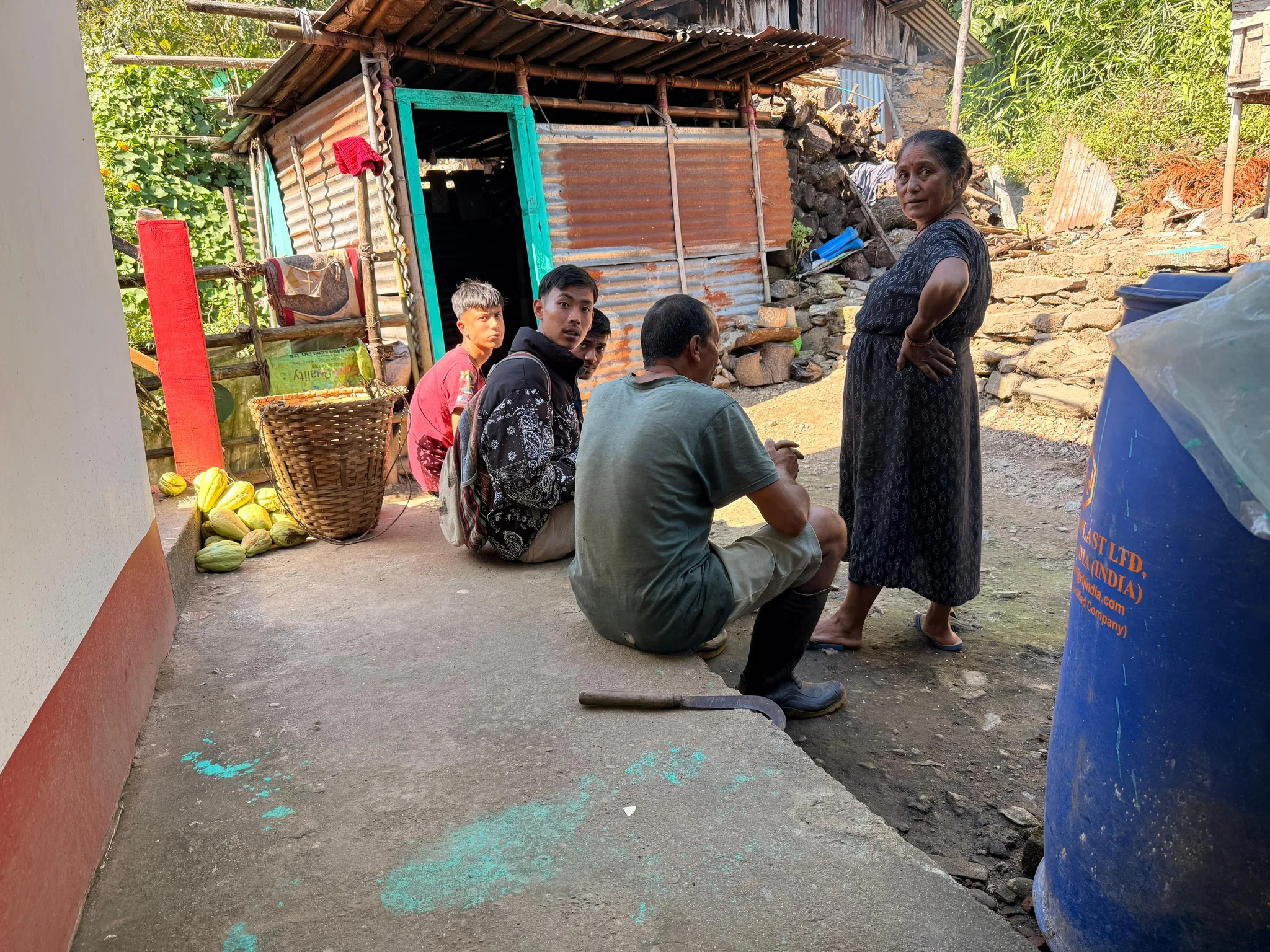
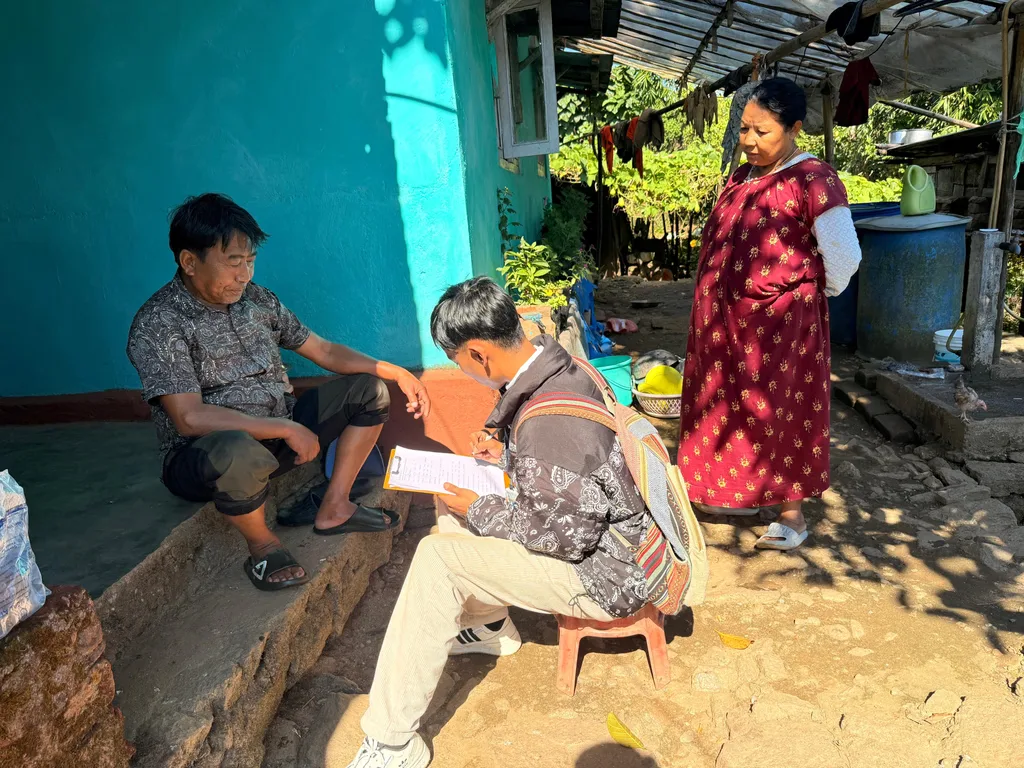
Students visited households directly and ran face-to-face surveys on income sources, employment patterns, access to basic services, and household challenges. Walking from home to home, listening to personal accounts, and noticing the surroundings grounded the survey data in real experience.
The Team & After the Field
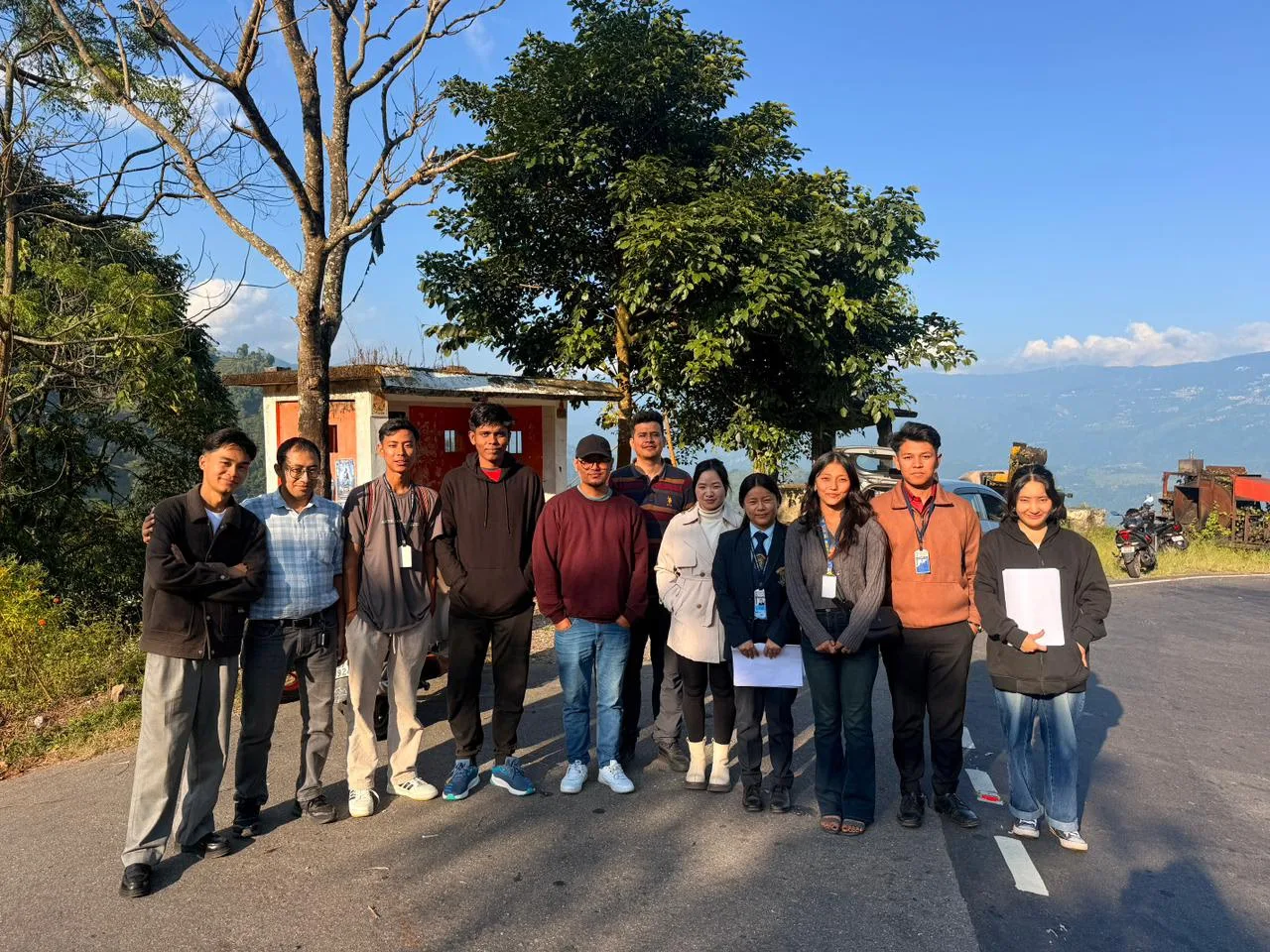
The TeamFive students from the Department of Geography, Mirik College.
One faculty member from Mirik College, providing academic guidance throughout.
Three members from Studio 1947, supporting research design, field coordination, and analysis.
This structure let students learn within an academic framework while also seeing how professional research works, with mentors alongside them.
Fieldwork was not the end of the learning. Once the surveys were done, students visited the Studio 1947 office every week and worked closely with the team to reflect on what they had found.
These 20 hours of sessions focused on organising survey responses, analysing the data, and discussing what it revealed about livelihoods in the two villages. We guided students through turning raw information into clear, structured written reports. This phase felt much like an internship, with steady mentorship and practical exposure beyond routine coursework.
Outcomes
The project produced a detailed, ground-level understanding of livelihood conditions, based entirely on primary data the students collected themselves.
Beyond the research output, the process built students' confidence in doing fieldwork, engaging with communities respectfully, and connecting theory with observation. At the end, all students received certificates issued by Studio 1947.
Studio 1947 Perspective
Capacity building is a core focus of Studio 1947. This collaboration showed how academic learning gets stronger when paired with real-world engagement.
Through classroom sessions, interactive workshops, and fieldwork, students developed practical research skills alongside theory. More than a single study, the project strengthened student capacity and laid the ground for future collaborations.
Project credits
Client
Mirik College
Studio 1947
- Research Framework Rabi , Tanisha (Prof. Mirik College)
- Survey Coordination Subhendu , Anjali , Santam , Sweety, Nikhil Raj , Soumajit, Pralath Karki (Mirik College)
- Orientation Anushiya
- Research Paper Individual Students
- Certificate Design Nikhil Raj
Time and place
Mirik, Dec, 2025
Viewed 0 times
More work
Rajkamal Prakashan

Fermy Lab
Nest Homes
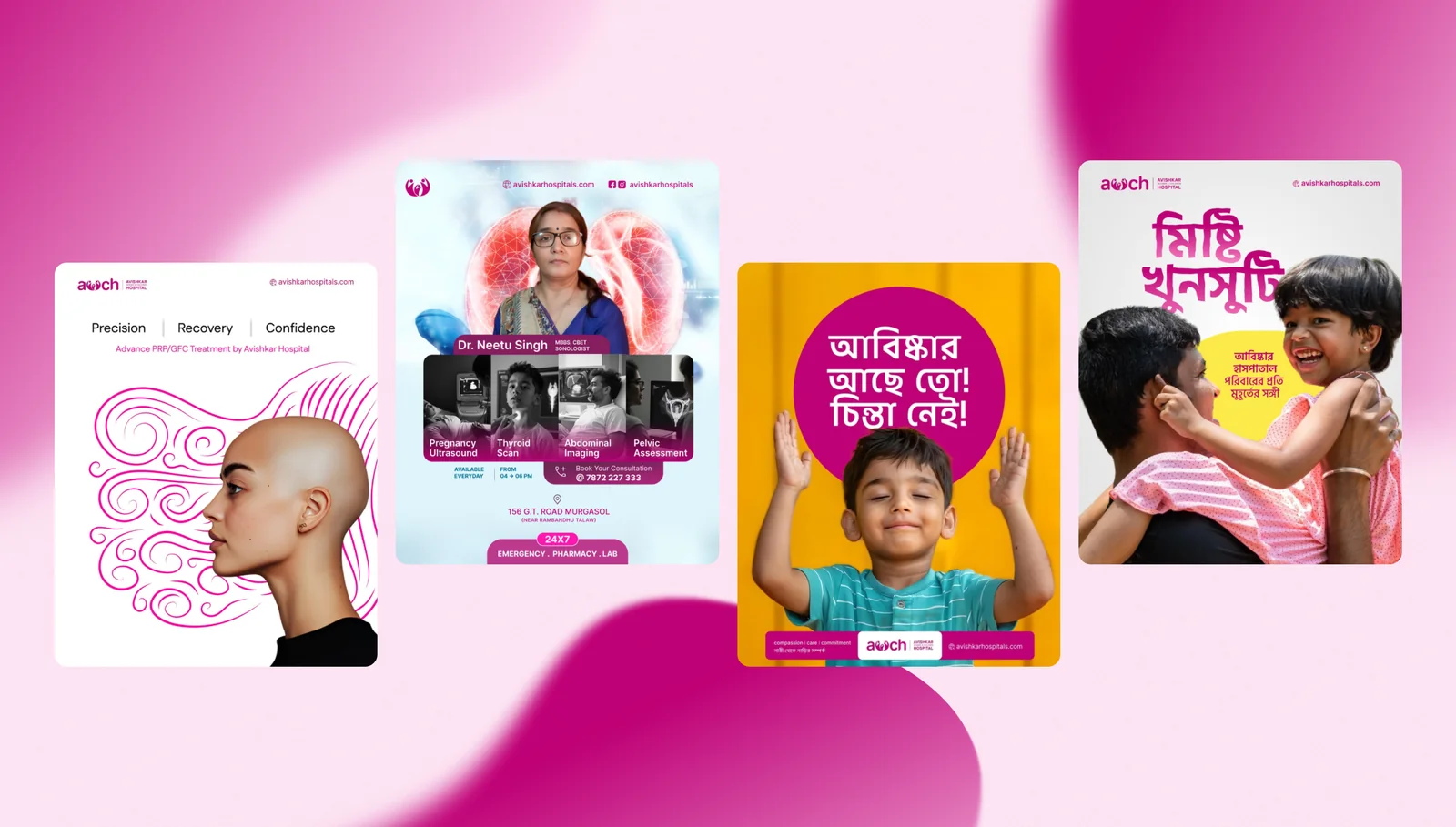
Avishkar Hospital

AIcrowd

Walking Project
Local Futures
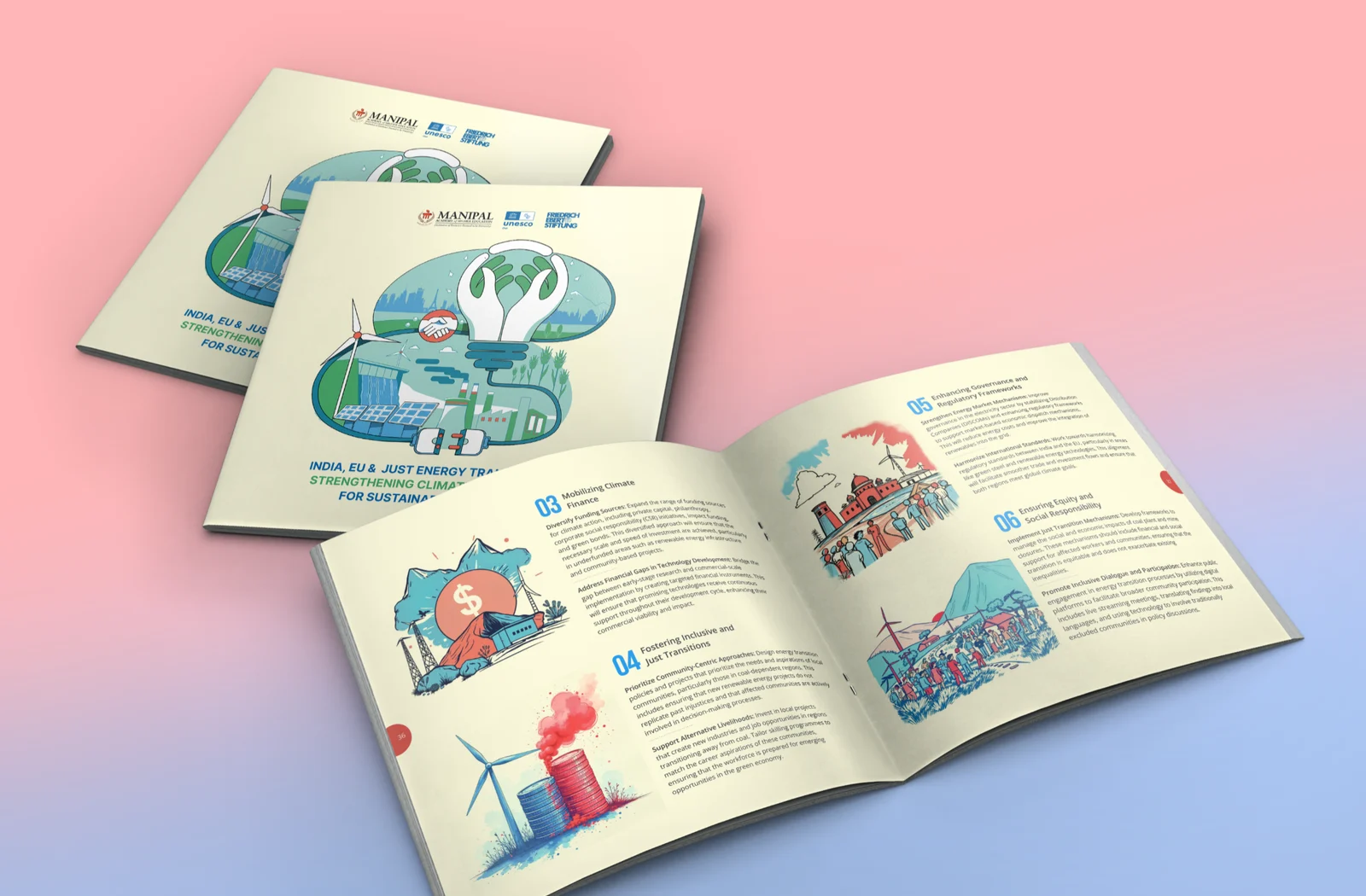
Friedrich Ebert Foundation
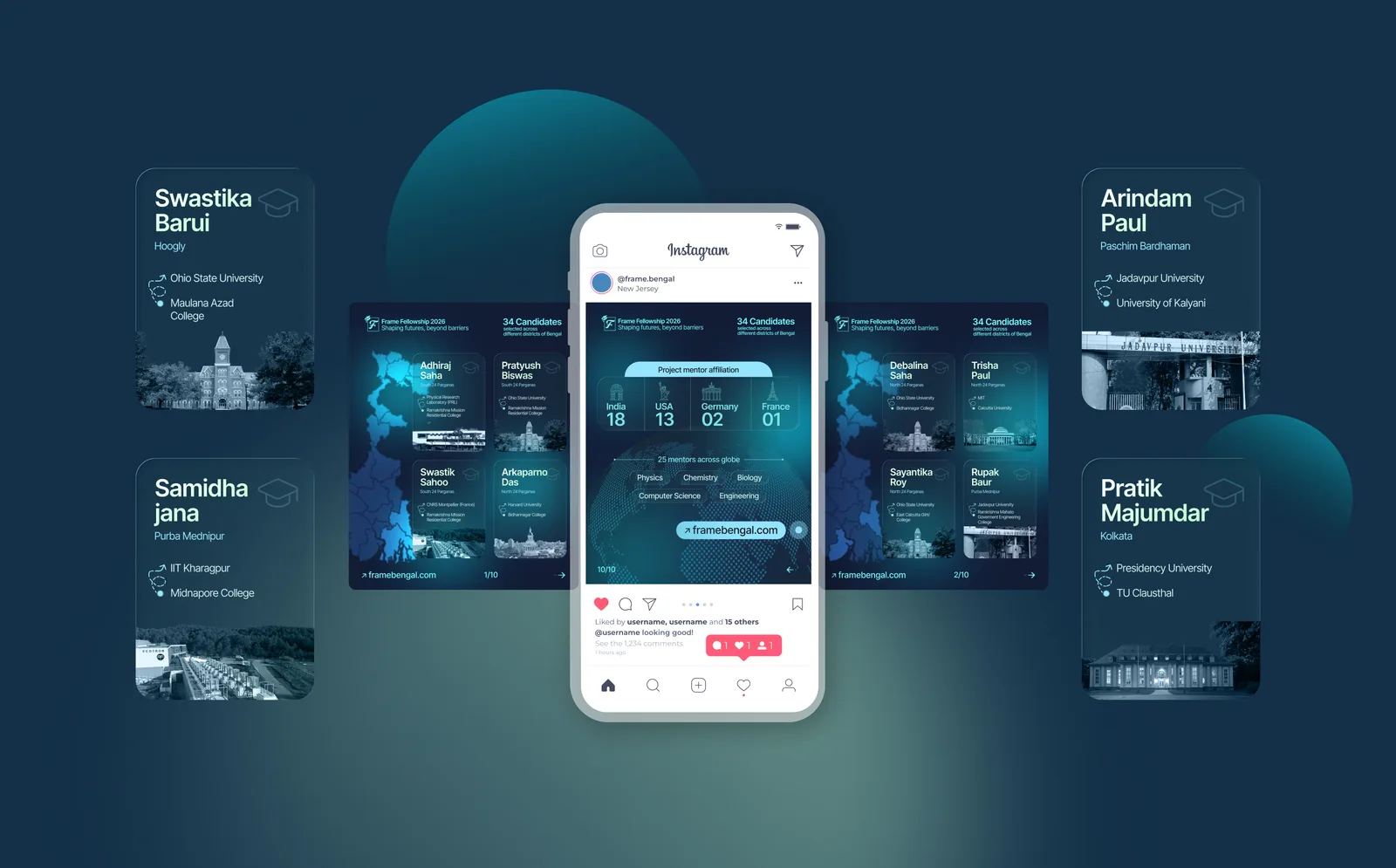
Frame Bengal
Jan Sahas
FIH Website Redesign

Remodel UN

Elegant Sip
Prokritir Group

Bhagyam Arts & Aesthetic
Village Ways
Radha Madhav Medical Hall

Healix
Kulam Homestay

Sikkim Himal Institute
Bhagirath Homestay