Village Ways
When social enterprises, eco-tourism organizations and impact funds look for a consultancy partner, they aren't scanning portfolios for slick tech graphics or trendy typography. They look for an agency with real empathy, hands-on field research skills, and the ability to turn people's talents into local income.
Since we started working with Village Ways (an organization known worldwide for pioneering community-owned tourism) our role has grown from design vendor into field consulting partner. This case study shows how we moved from high-quality print production to hands-on work in the field on Bali Island, Sunderbans, helping rural homestay hosts close the digital literacy gap and tell their own stories.
Context & Strategy
The Mission
Village Ways works to sustain traditional rural communities by building low-impact, community-owned tourism. Ownership stays fully with village committees. That creates lasting income while protecting cultural landscapes and the local environment.
The Evolution of Our Engagement
Our work together began with building visual trust through traditional creative channels:
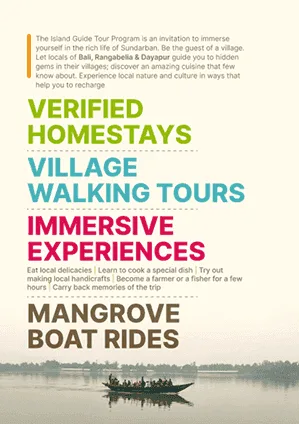
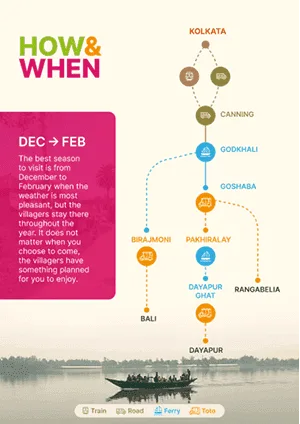
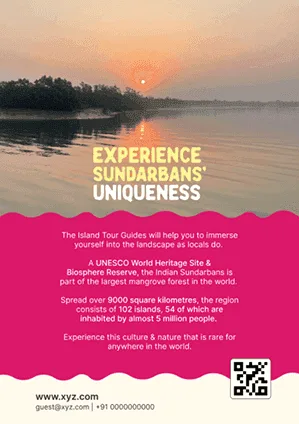
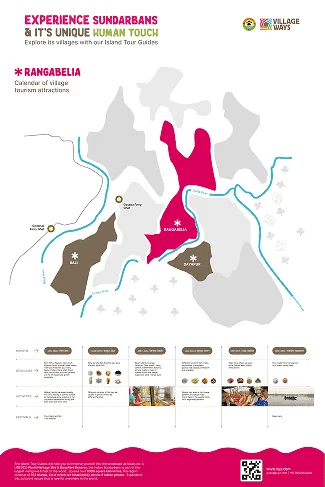
We made premium, tactile print brochures and community-themed calendars. They turn raw rural imagery into polished editorial layouts for international travellers looking for sustainable tourism.
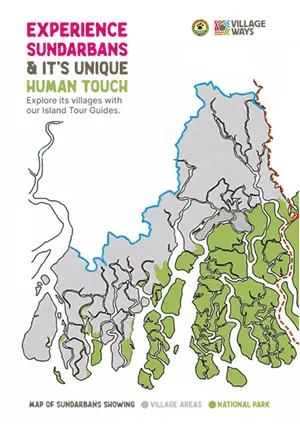
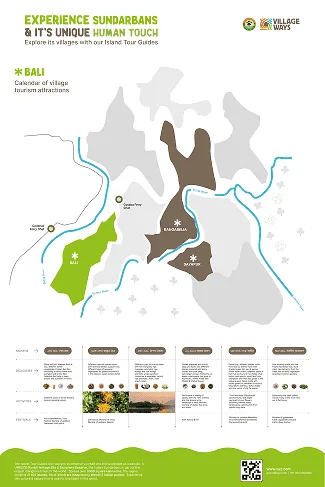
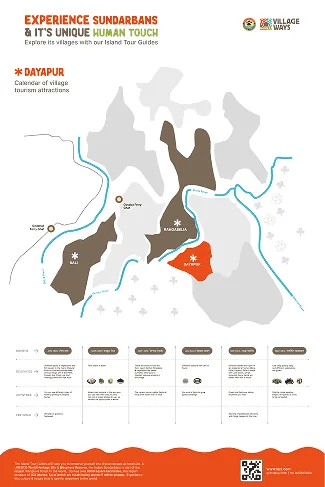
But print materials handed out in city centres don't give a community real power. To secure the local economy for the future, community members themselves needed the skills to reach modern digital marketplaces. So on April 1st, 2026, our team went to Bali Island, Sunderbans, to run a hands-on, people-first capacity-building programme.
Digital Literacy Workshop with Communities
Bali Island, SunderbansWe ran the workshop in the villages themselves, sitting with the people who would have to use any of this after we left. Guides, homestay hosts, women running small enterprises, a few young people who already had phones and no idea what to do with them.
The first morning was not about phones at all. It was about finding out what actually stops someone here from posting a photograph of their own work, because it is never the thing an agency assumes it is. Four things came up again and again.
Our Approach: Low-Friction Digital Workflows
To break these barriers down, we flipped the usual social media playbook. We built three simple, low-pressure creative workflows, each suited to a different level of digital comfort.
A. Camera-Free Content (Voiceover Visuals)
We took away the pressure of being on camera. Participants learned to shoot clean, steady footage of their surroundings and add their own local voiceover on top. That removed the anxiety while keeping the raw, documentary feel.
The “Story-First” Composition Standard
Instead of worrying about heavily edited video layouts, we set a simpler rule: One Compelling Local Story + One Striking Photo = A Perfect Social Asset. This moved the focus from software skills back to their natural strength: deep oral traditions and local knowledge.
The Collaborative Account Model (Shared Community Ownership)
To take away the ongoing pressure of running a personal profile, we set up one shared community profile. Managed together as a team, it spreads the work of creating content, builds trust within the group and keeps the community aligned over the long term.
The Workshop: A 4-Phase System
We ran the workshop in four low-pressure steps, so people could ease into creating content in the open:
Low-Pressure Introductions
Melt the early hesitation. Participants introduced themselves in a relaxed, warm setting, with no mention of technology or smartphones.
Tactical Group Storytelling
Find hidden talents. Groups picked a local fruit or a handkerchief they had stitched themselves and built a spontaneous spoken story around it.
Reflection & Individual Mapping
Capture personal context. Participants mapped out activities they personally enjoy, recalling single memorable moments tied to their craft.
Boundary Auditing
Surface hidden fears. An open floor to name and map exactly what stops them from keeping up a presence online.
Finding Hidden Talents
The activity-based exercises showed a remarkable natural creative ability among the villagers of Bali, Rangabelia and Bijaynagar:
Participants showed an immediate, natural instinct for framing, capturing context and telling strong stories around everyday village things. For example, they mapped the medicinal benefits, cooking uses and cultural role of the local banana (Kachkala).
Module A
INTRODUCTION TO SOCIAL MEDIA PLATFORMS
Module B
STORYTELLING TO POST CREATION
Module C
STORYTELLING TO REEL CREATION
Module D
UNDERSTANDING BASIC METRICS OF SOCIAL MEDIA
Every participant was chosen through careful skills profiling, so that peer-to-peer mentoring on site stayed focused. They included leaders like Debaprasad Baidya, Jaya Mukherjee and Animesh Mondal.
What This Work Shows: Building Lasting Local Skills
Working with Village Ways, we showed that real design innovation is measured by human impact, local agency and what lasts after we leave. By pairing professional print work with hands-on literacy workshops in the field, we helped a vulnerable community move from dependency to running its own communication.
This project is proof for future social funds, government panels and international NGOs that we don't just hand over pretty files. We build self-sustaining digital systems that preserve local heritage, grow people's skills and directly feed local income.
Project credits
Client
Village Ways
Time and place
Sundarban, April, 2026
Viewed 0 times
More work
Rajkamal Prakashan

Fermy Lab
Nest Homes
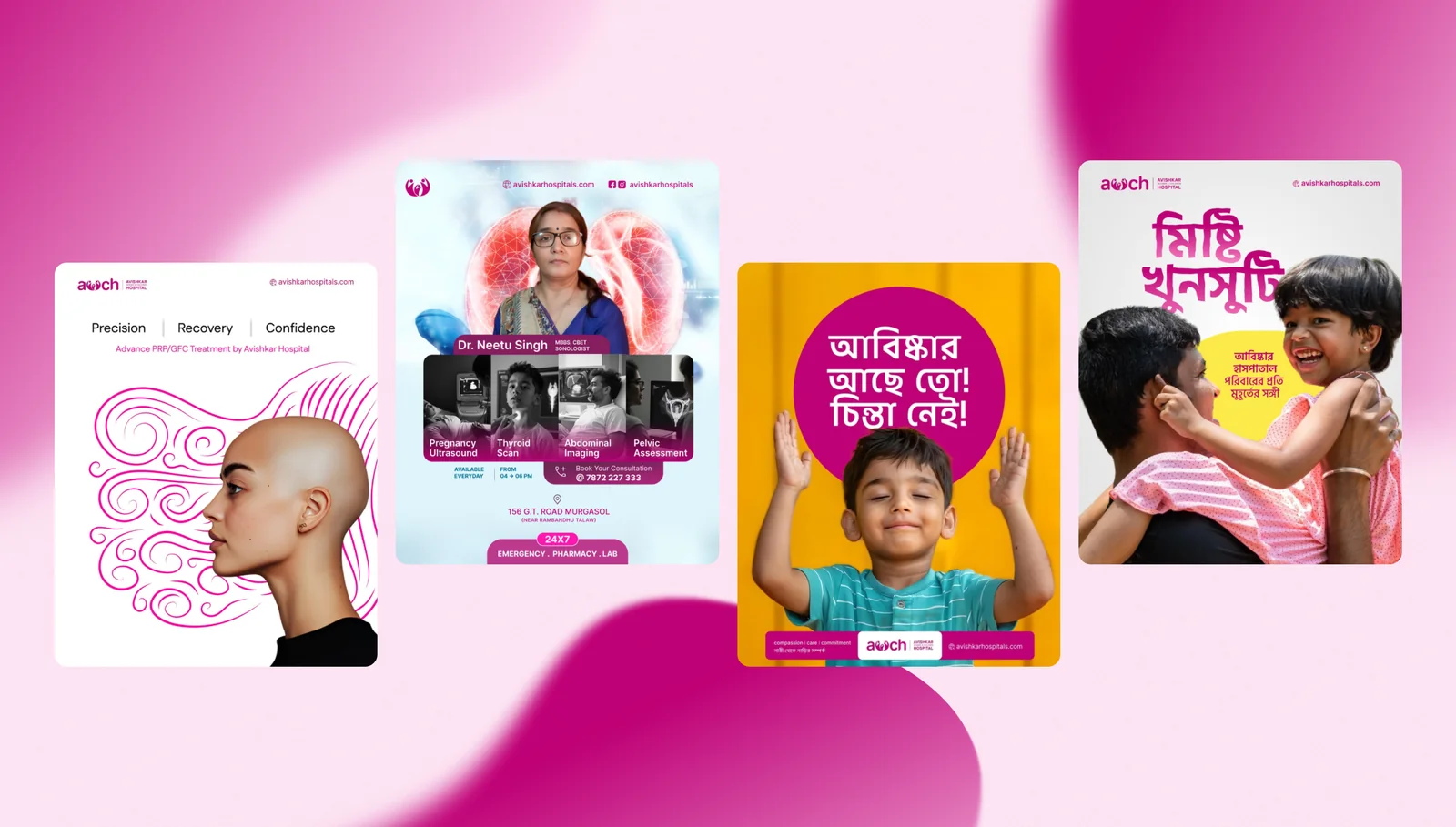
Avishkar Hospital
AIcrowd
Walking Project
Local Futures
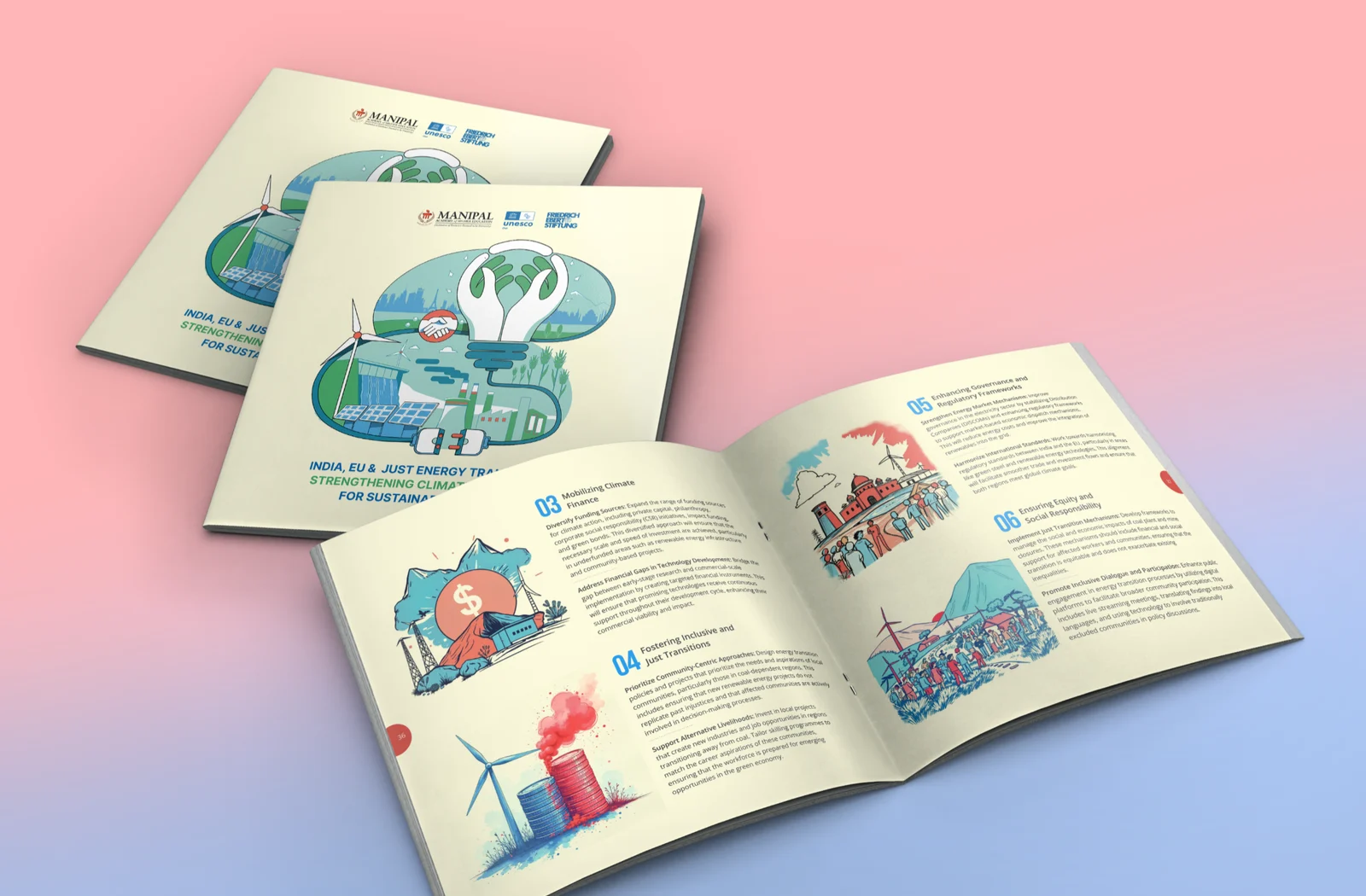
Friedrich Ebert Foundation
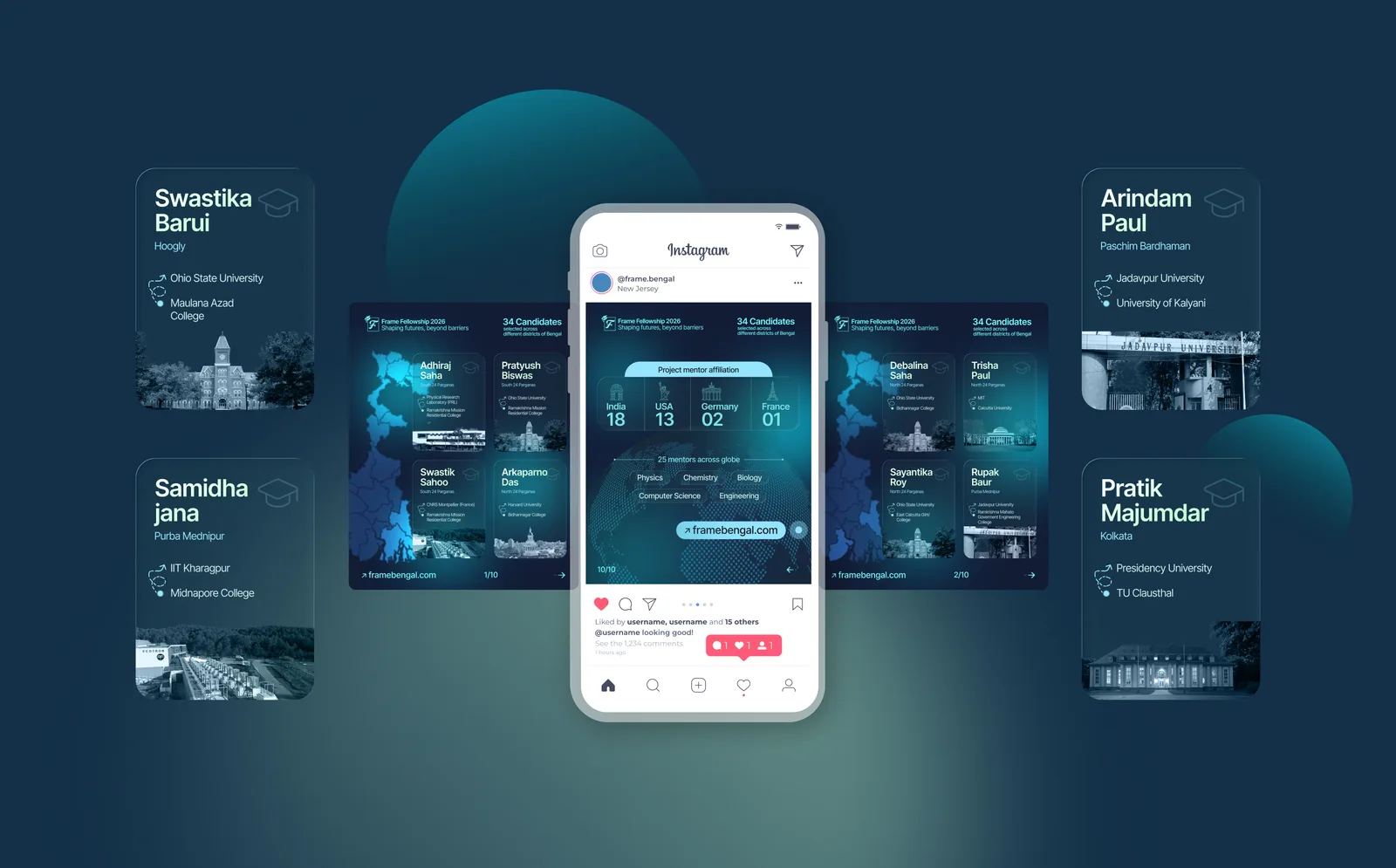
Frame Bengal

Jan Sahas
FIH Website Redesign

Remodel UN
Mirik College

Elegant Sip
Prokritir Group
Bhagyam Arts & Aesthetic
Radha Madhav Medical Hall
Healix
Kulam Homestay
Sikkim Himal Institute
Bhagirath Homestay